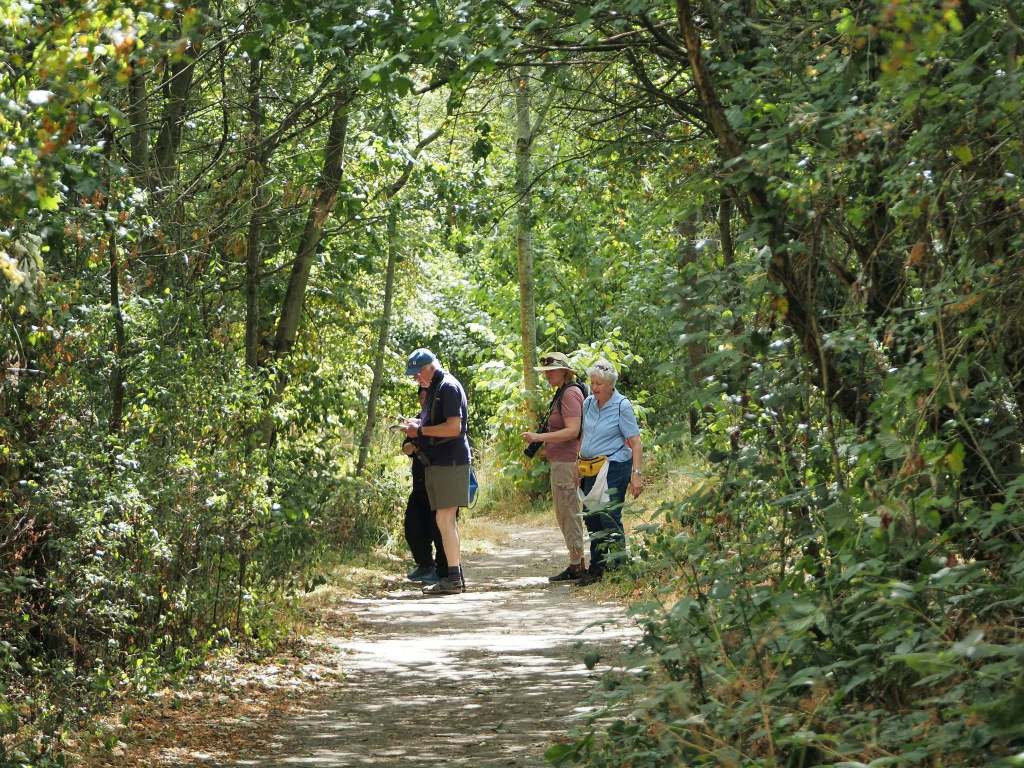
As the main field season comes to an end, I’ve been looking back at just how much I’ve managed to fit into the last few months.
When I started the year, I really just wanted to get out there, gain as much practical experience as I could and learn from people who actually do this work. I don’t think I realised quite how varied the season would end up being.
One of the biggest highlights was definitely Croatia with Operation Wallacea.
Spending two weeks doing fieldwork there gave me the chance to try so many different things, including habitat surveys, mammals, reptiles and amphibians, butterflies, birds and bats.
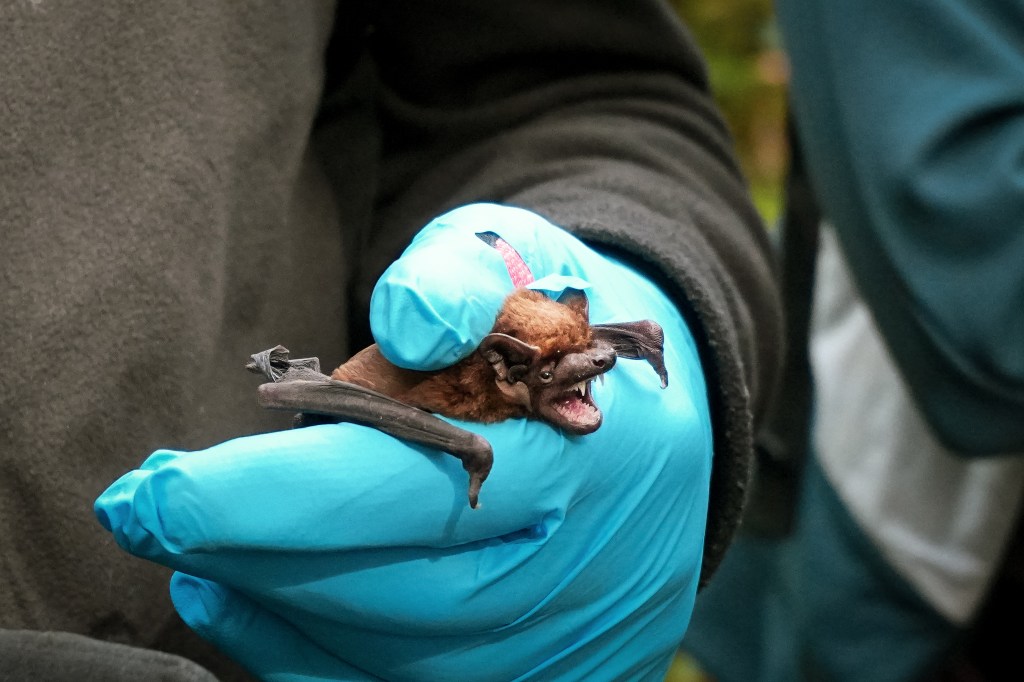
The bat mist-netting evenings were probably some of my favourite moments. Seeing species such as Greater and Lesser Horseshoe bats, Mediterranean Horseshoe bats and Capaccini’s bats so close was incredible.
I also really enjoyed the habitat surveys. They involved everything from quadrats and tree measurements to canopy cover, vegetation and looking at fire damage. I came home from Croatia tired, covered in bites and probably slightly sleep deprived, but absolutely certain that I wanted to keep doing more of this.
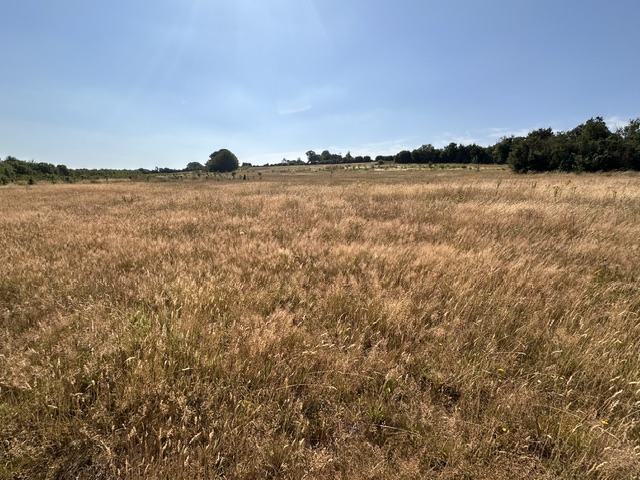
Closer to home, Tice’s Meadow has become a really important part of my field experience.
The reptile surveys were some of my first proper surveys of the year. There is still something exciting about lifting a refugia sheet and finding a Slow Worm or Grass Snake underneath. On one survey we found 14 Slow Worms and two Grass Snakes, which was a pretty good morning!
The butterfly transects then became a regular part of my summer.
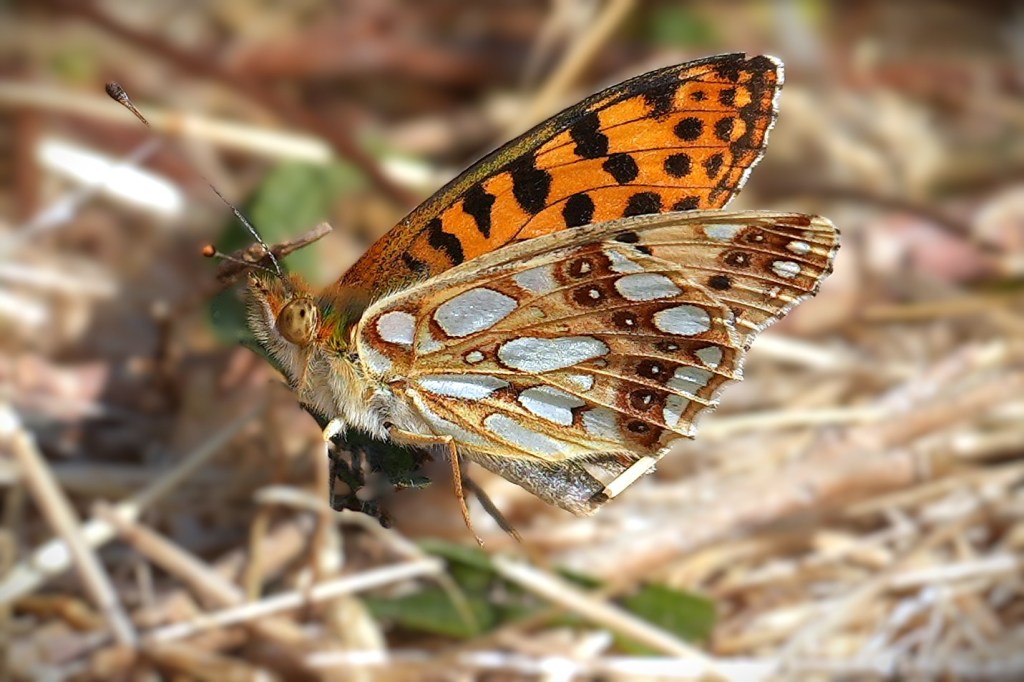
I’ve loved watching the species change as the season progressed and getting more confident with identification. There were Clouded Yellows, Painted Ladies, Marbled Whites, Common Blues, Small Coppers, Gatekeepers, Meadow Browns and plenty more.
One survey had 291 butterflies, including around 20 Clouded Yellows, which was quite something.
Towards the end of the season I was trusted to complete one of the transects on my own. I was actually pretty chuffed about that. It might seem like a small thing, but for me it showed how much more confident I had become since the start of the year.
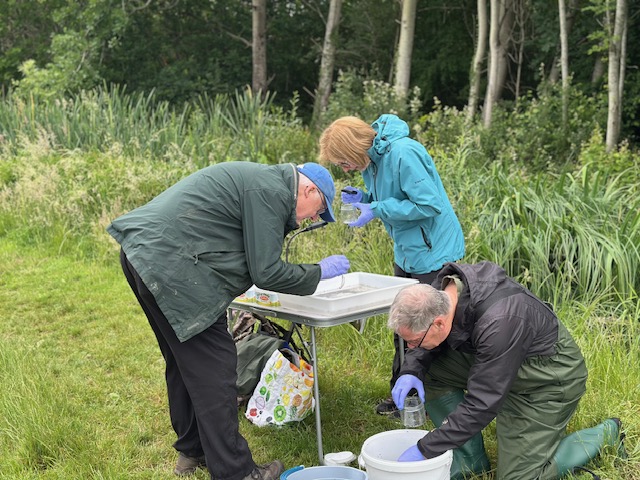
Riverfly monitoring has probably been one of the things I’ve found most interesting.
There’s something quite fascinating about taking a sample from the water and suddenly seeing how much life is actually in there.
We’ve found huge numbers of Freshwater Shrimp and Water Louse, along with Damselfly nymphs, Alderfly nymphs, Caddisflies and Three-spined Sticklebacks.
Because this is the first year of regular Riverfly monitoring at Tice’s Meadow, I’ve really enjoyed seeing how the results change from month to month. It has made me think much more about water quality and how these small invertebrates can tell us what is happening in the wider environment.
I’ve also had some completely new experiences this year.
I joined a Dormouse survey near Winchester, where we checked around 45 boxes. We didn’t find any Dormice that day, although we did find Wood Mice. It was still really useful to see how the surveys are actually carried out and to realise that not finding the species you’re looking for is still part of the data.
Then there was bird ringing, which was another first.
During the session we saw Blue Tits, Great Tits, Reed Warblers, Sedge Warblers, Cetti’s Warblers, Chiffchaffs, Blackcaps and Robins.
Seeing birds that close is very different from watching them through binoculars or a camera lens, and it was fascinating learning more about why they are ringed and what that information can tell us.
Bats have definitely become one of my favourite groups this year.
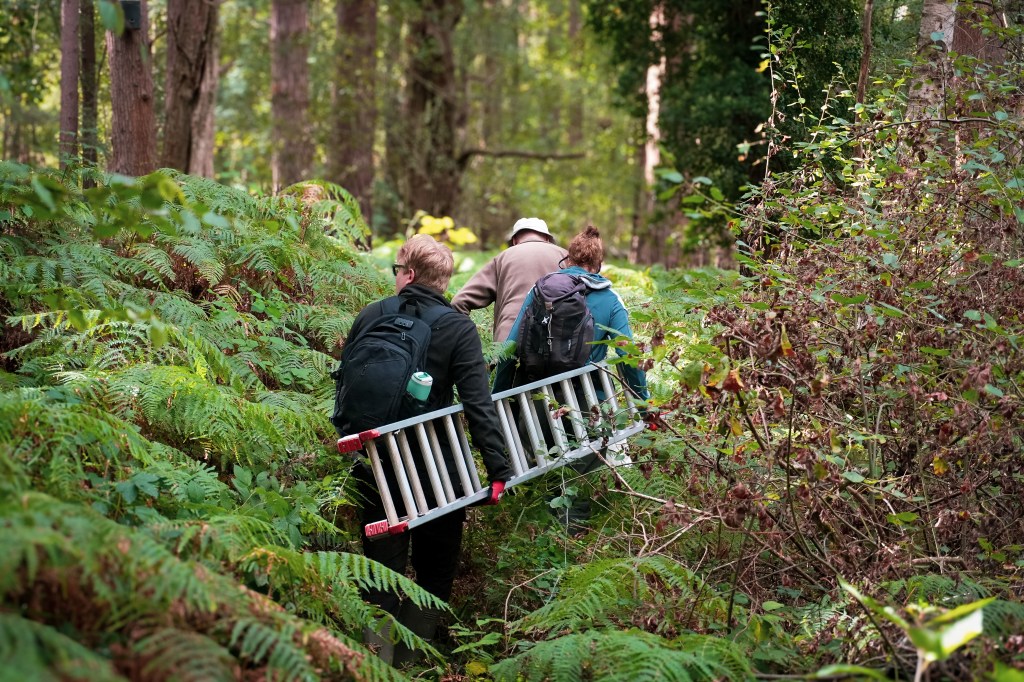
Along with the mist-netting in Croatia, I joined the Surrey Bat Group for a bat box check. We checked 35 boxes and found three Noctules and a Pipistrelle, with signs of bats in many of the other boxes.
I even climbed the ladder and checked one myself.
I’m not brilliant with heights, so I was quite pleased with myself for that one!
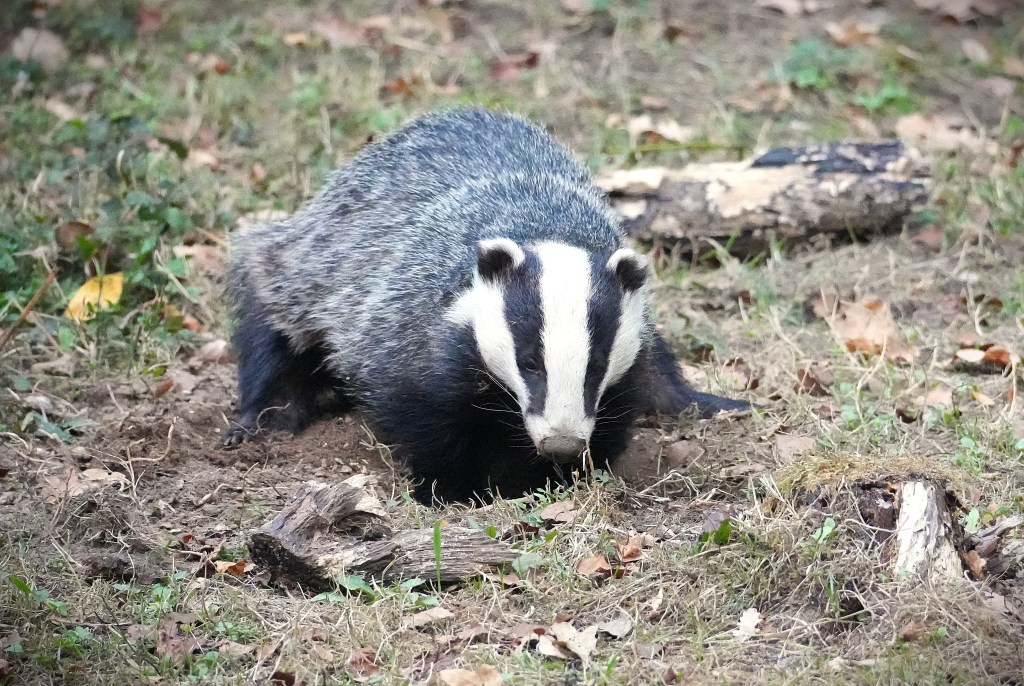
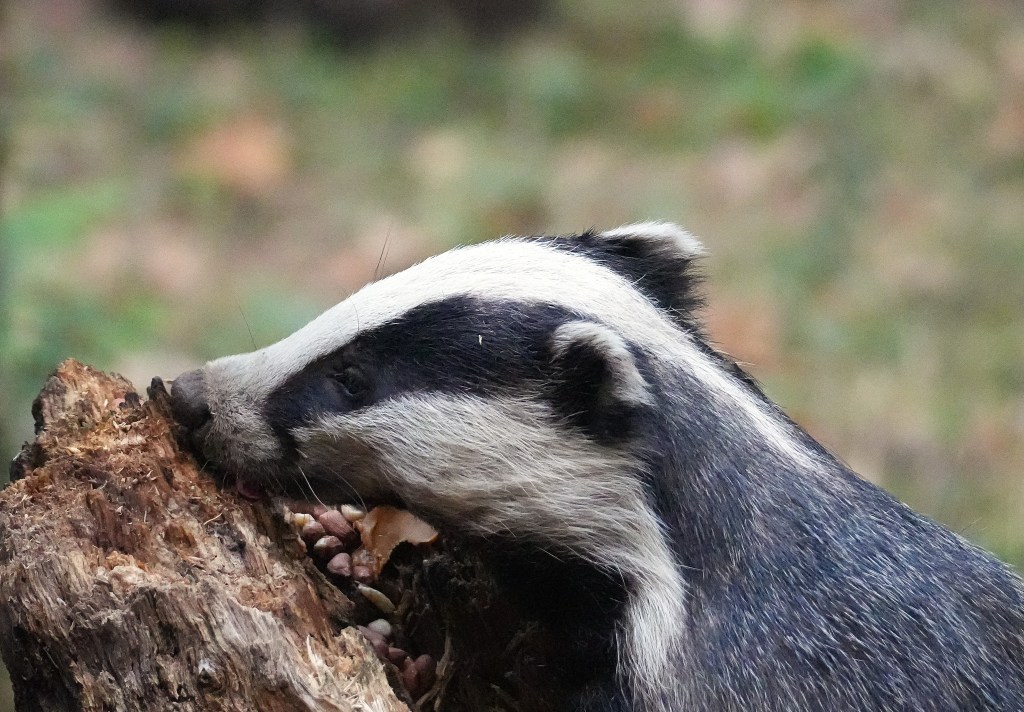
Another highlight has been spending evenings supporting the badger hide.
I’ve loved being able to sit quietly and actually watch the badgers rather than just getting a quick glimpse.
After several visits I’ve started noticing differences between individuals, including their tails, coat colour and markings around the ears.
It has really made me appreciate how much you notice when you simply sit still and watch.
Looking back, I think that’s probably the biggest thing I’ve learned this season.
Fieldwork isn’t just about finding lots of wildlife.
Sometimes you see loads. Sometimes you don’t see very much at all. Sometimes the weather changes, the animals don’t turn up, or the survey doesn’t quite go as expected.
But you still learn something.
I’ve started paying much more attention to habitats, behaviour, weather, changes through the seasons and the little things I probably wouldn’t have noticed a year ago.
I’ve also realised just how much there still is to learn, which strangely makes me even more excited about it.
This year has taken me from reptile mats and butterfly transects in Surrey to bat nets in Croatia, Riverfly trays, Dormouse boxes, bird ringing and evenings sitting quietly waiting for badgers.
Not bad for one field season.
And I can’t wait to see what next year brings.
Photographs