
Herpetofauna
Explore the reptiles and amphibians I have encountered and documented over the years. Species are arranged into taxonomic groups, with photographs, dates and locations.
Reptiles are vertebrates—animals with a backbone—that include snakes, lizards, turtles, tortoises, crocodilians and tuatara. Their characteristic scaly skin contains keratin, a structural protein that provides protection, while the skin’s barrier helps reduce water loss. They breathe using lungs throughout their lives. The reptiles described here are ectothermic, relying largely on environmental heat to regulate their body temperature. Basking in sunshine helps them warm up, while moving into shade or shelter helps prevent overheating.
Reptiles belong to a wider group called amniotes, whose embryos develop within protective membranes, including a fluid-filled sac called the amnion. This adaptation allows development without an aquatic larval stage. Many reptiles lay eggs with leathery or hard shells on land, while others give birth to live young. Their offspring resemble small versions of the adults, rather than undergoing the dramatic metamorphosis seen in many amphibians (OpenStax, Biology 2e).
Ecologically, reptiles play important roles as predators, prey and seed dispersers. Many feed on invertebrates or small vertebrates, while providing food for birds, mammals and other reptiles. Some fruit-eating lizards and tortoises also disperse seeds, helping plants spread across their habitats. Together, these activities contribute to food webs, nutrient movement and ecosystem functioning (The Plight of Reptiles as Ecological Actors in the Tropics, 2017).
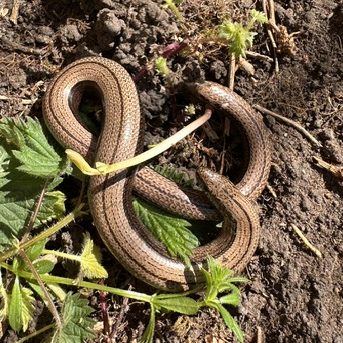
Slow worm , Anguis fragilis , Tice’s Meadow, Apr 2026
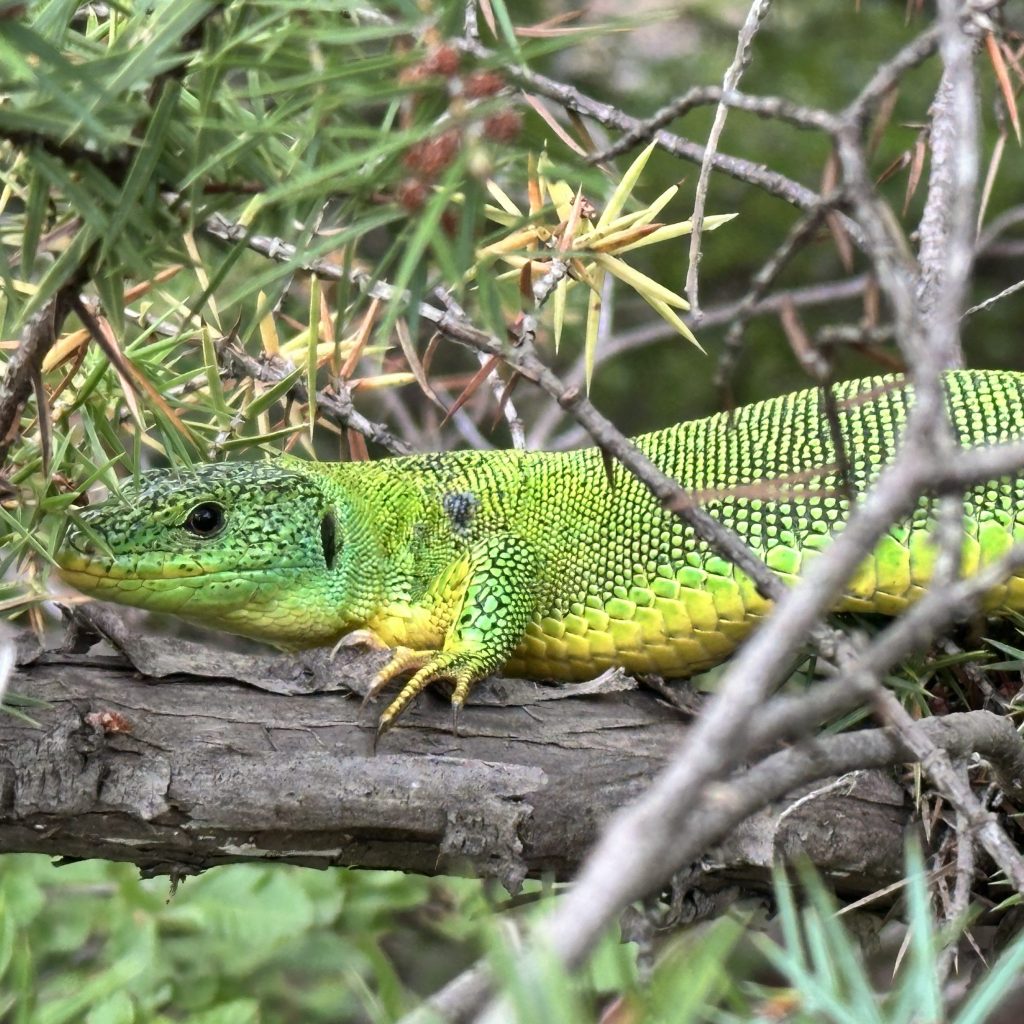
Balkan green lizard , Lacerta trilineata , Krka Valley, Croatia, Jun 2026
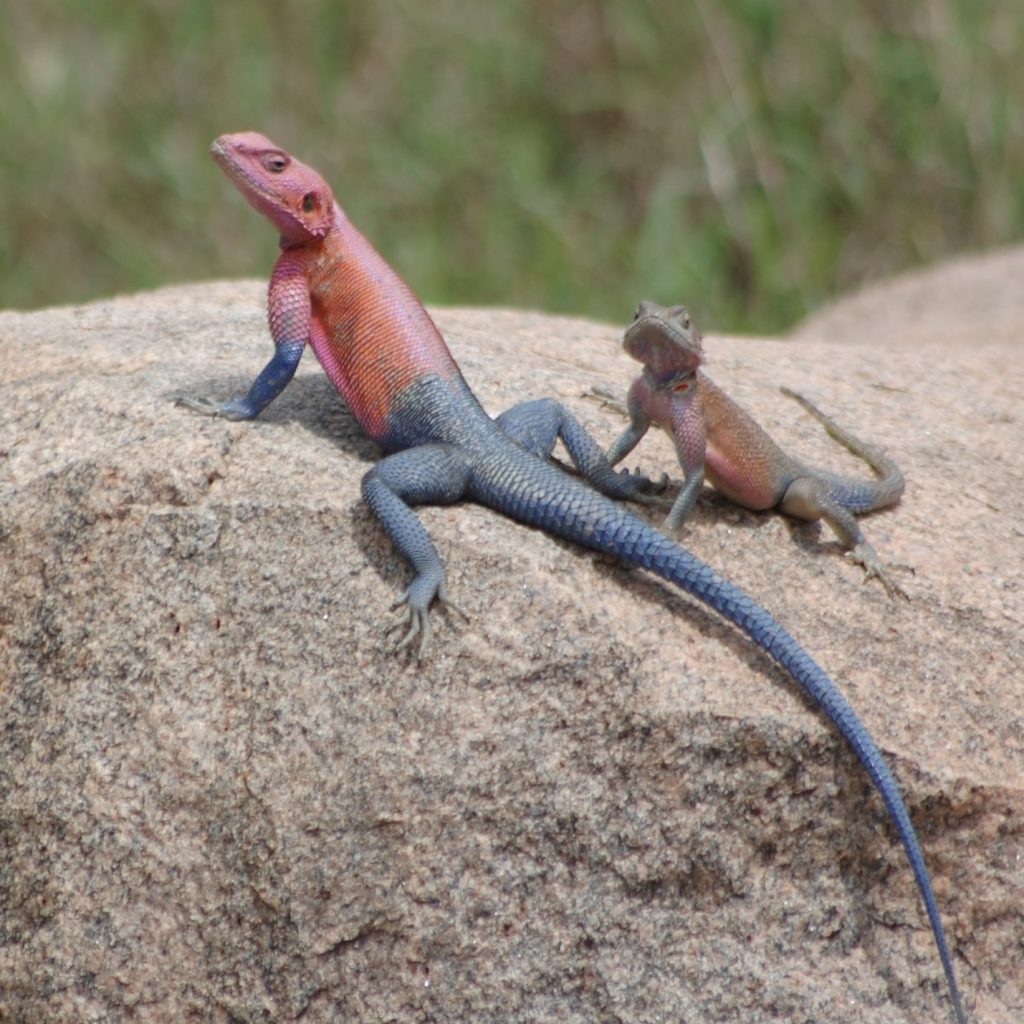
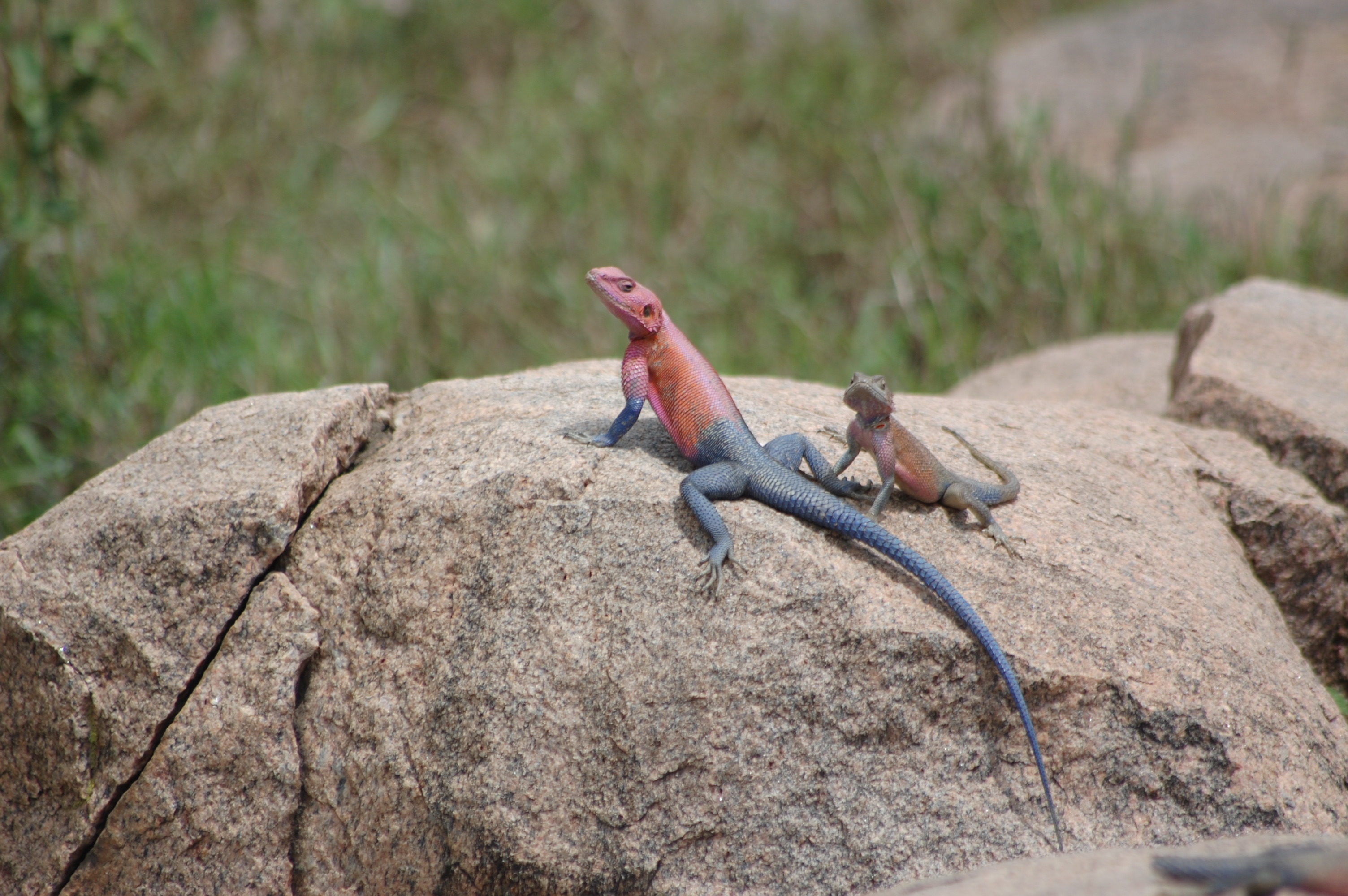
Mwanza Flat-headed Rog Agama, Agama mwanzae, Central Seringeti, Dec 2024
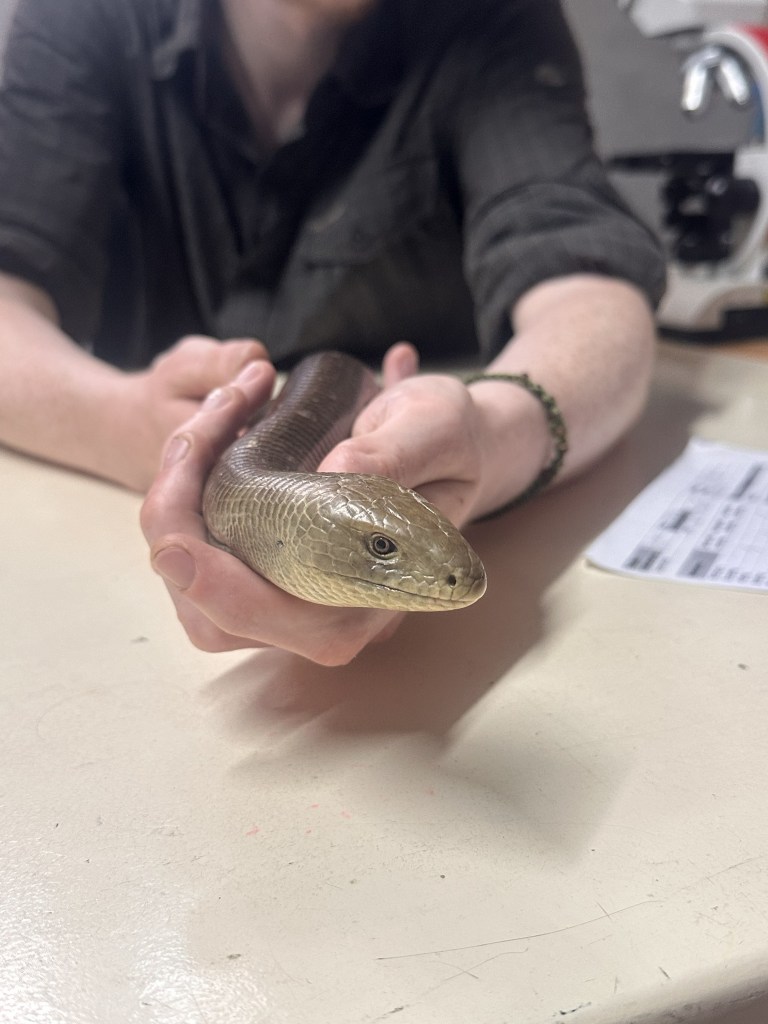
European glass lizard , Pseudopus apodus , Krka Valley, Croatia, Jun 2026
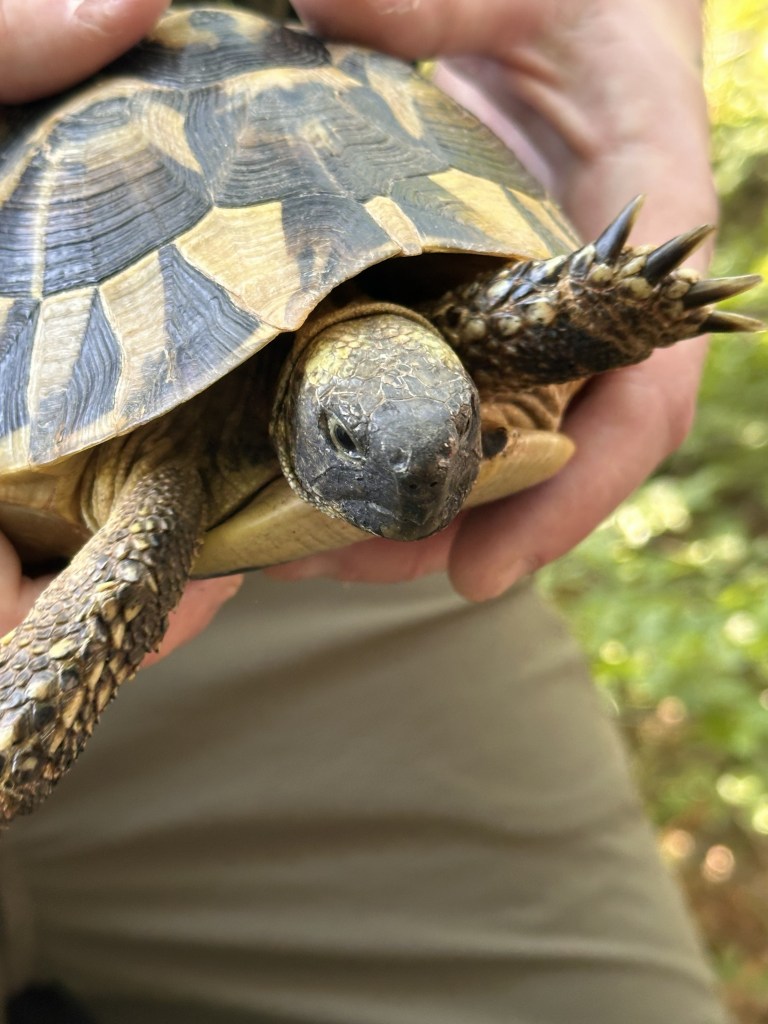
Hermann’s tortoise , Testudo hermanni, Krka Valley, Croatia, Jun 2026
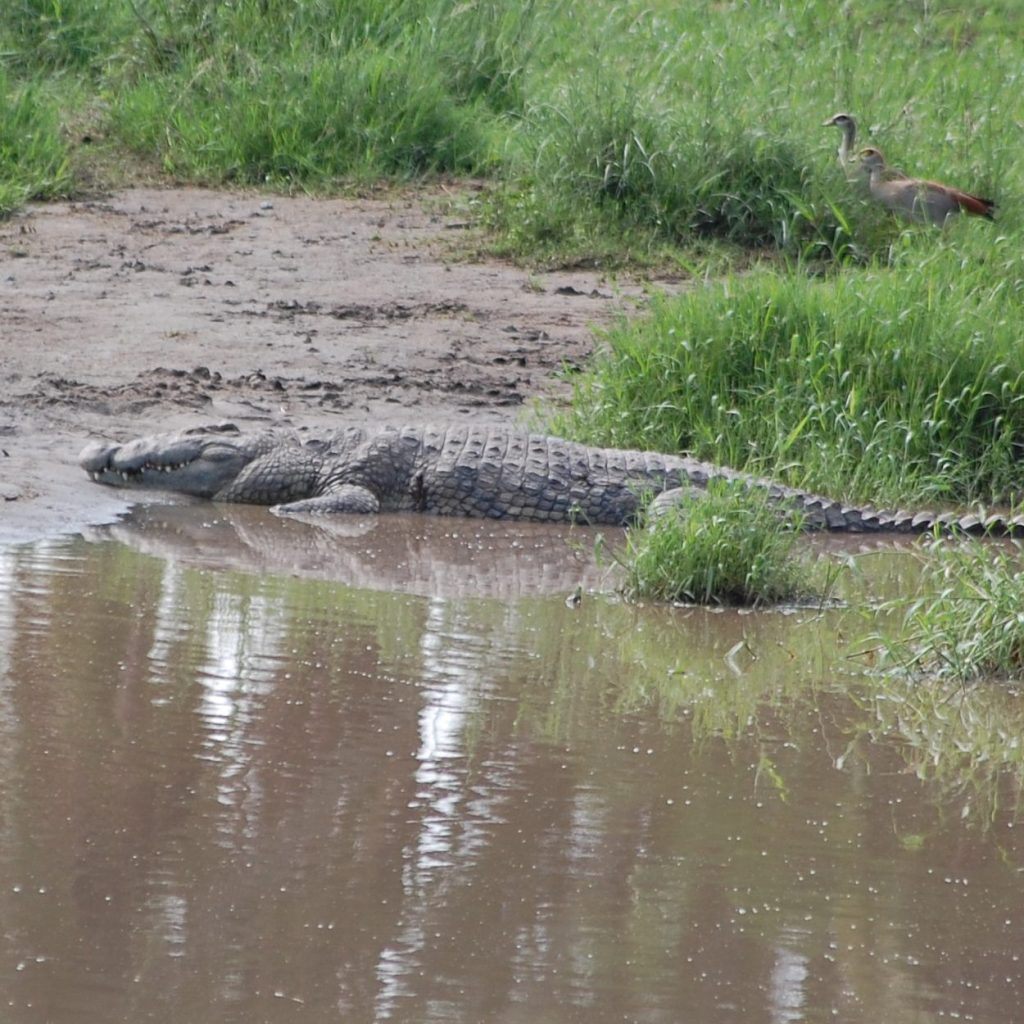
Nile crocodile , Crocodylus niloticus Central Seringeti, Dec 2024
Central Seringeti, Dec 2024
Tropical house gecko , Hemidactylus mabouia ,Arusha, Dec 2024
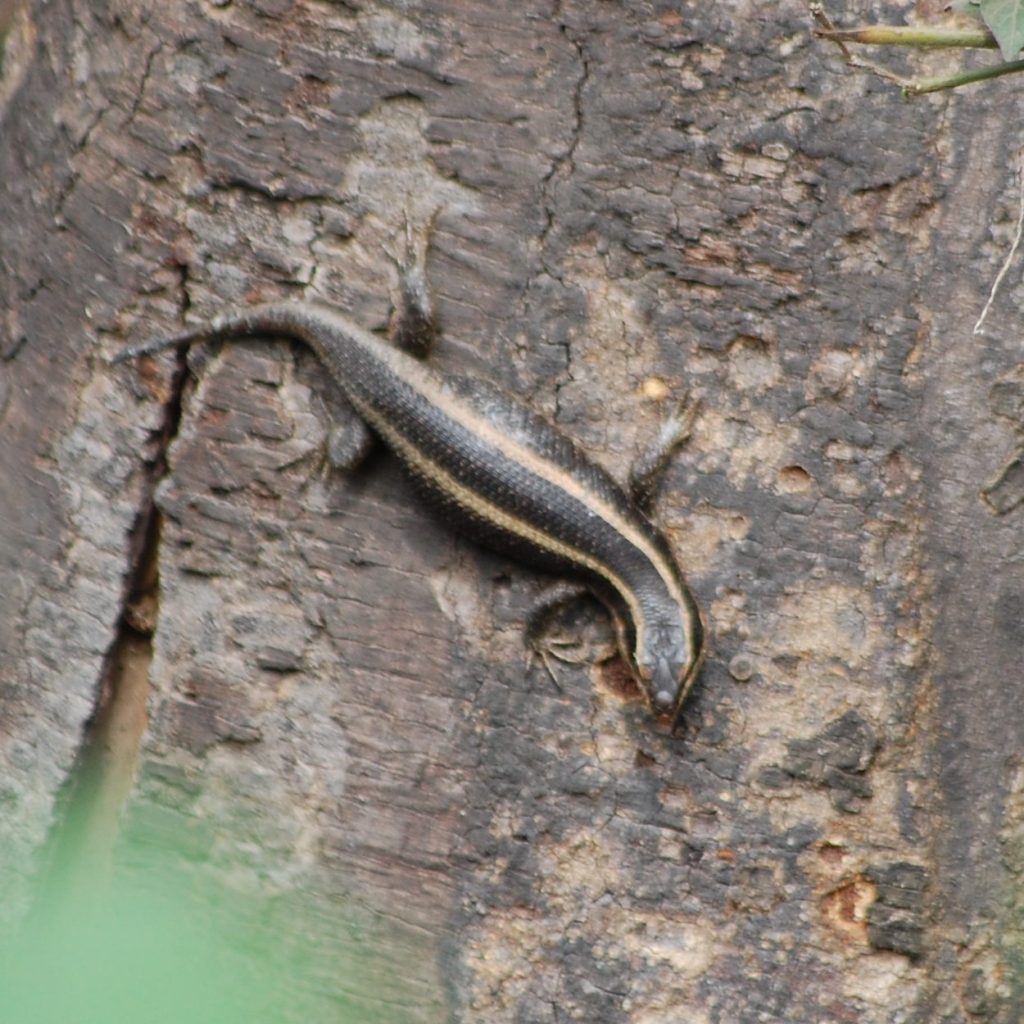
Variable skink, Trachylepis varia
Trachylepis varia Arusha, Dec 2024
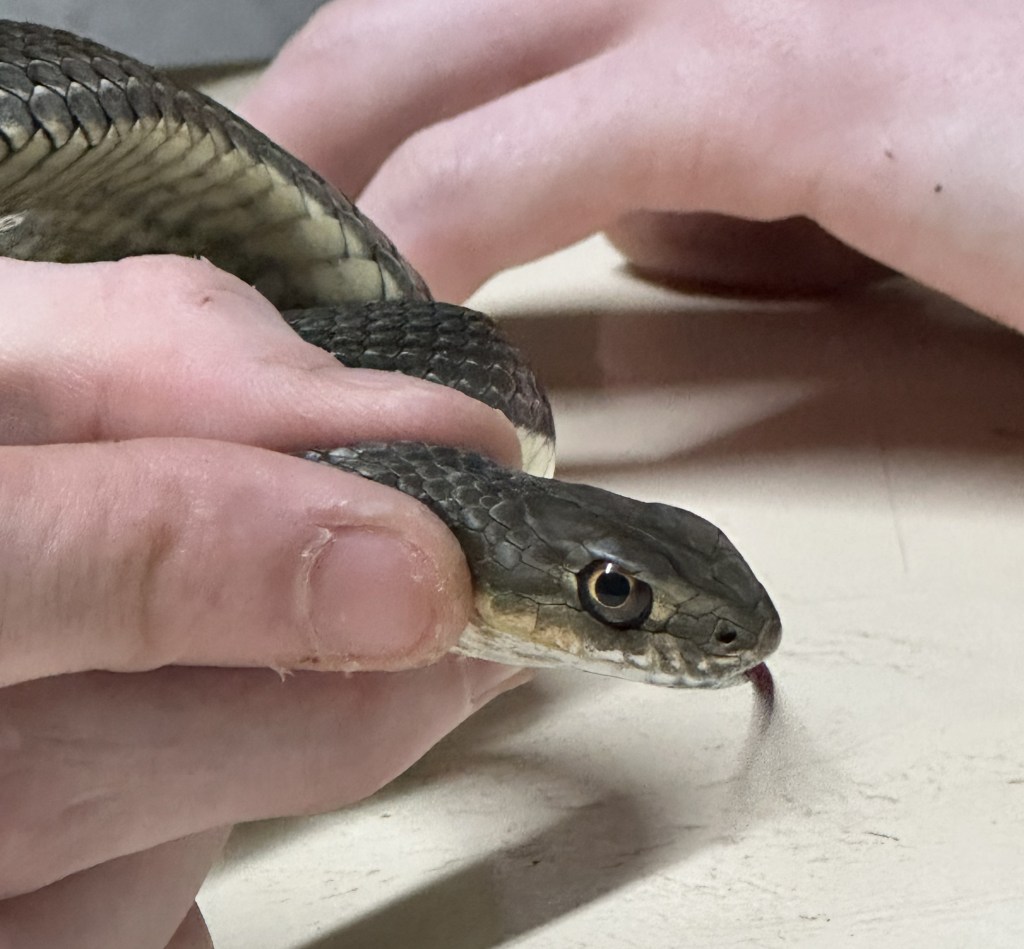
?
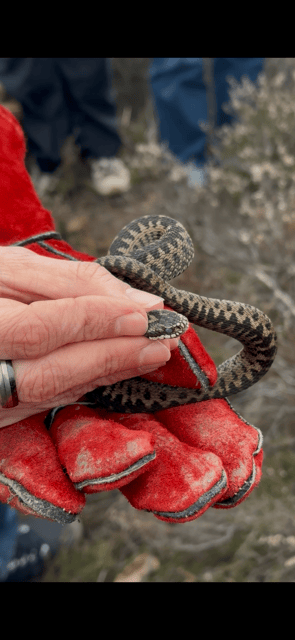
Adder , Vipera berus , Discovery Centre, Apr 2026
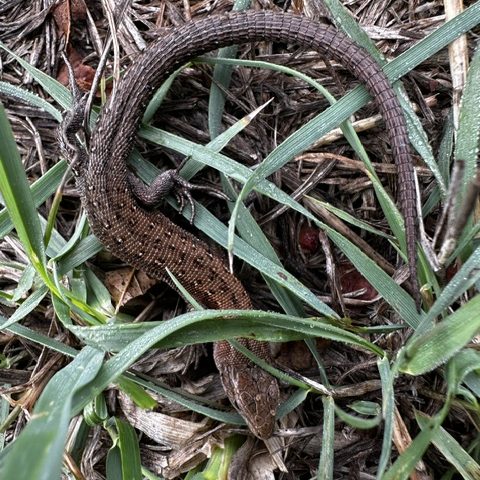
Common Lizard (Zootoca vivipara), Tices Meadow, Oct 2026
Amphibians are a group of vertebrates—animals with a backbone—that includes frogs, toads, newts, salamanders and caecilians, the less familiar, limbless amphibians found in tropical regions. They are ectothermic, meaning they rely largely on external sources of heat to regulate their body temperature. One of their characteristic features is permeable, glandular skin, which allows water and respiratory gases to pass through it. This enables them to absorb water and exchange oxygen and carbon dioxide directly through their skin, alongside other breathing mechanisms.
The name amphibian means “double life”, reflecting the transition many species make between water and land. Eggs are typically laid in water or damp environments, where they are protected from drying out. Many species hatch as aquatic larvae and undergo metamorphosis, changing their body structure as they develop into adults. However, this pattern is not universal: some remain aquatic throughout life, while others hatch as miniature versions of the adults, without a free-living tadpole stage (OpenStax, Biology 2e).
Ecologically, amphibians play important roles as both predators and prey, helping to regulate invertebrate populations and transferring energy and nutrients through aquatic and terrestrial food webs. Their permeable skin and sensitivity to environmental conditions also make them valuable organisms for studying pollution, habitat change and ecosystem health (Amphibians as Models for Studying Environmental Change, ILAR Journal).
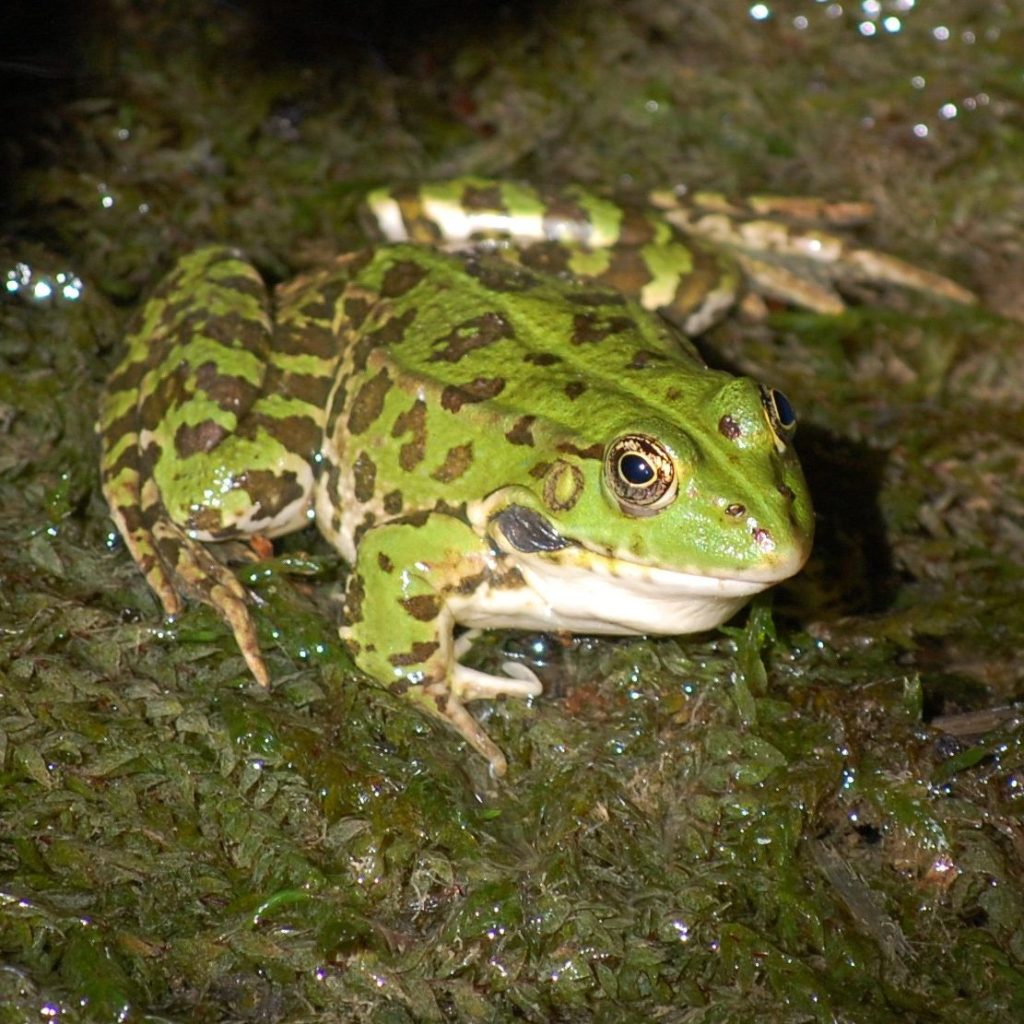
Pool Frog, Pelophylax lessonae , Krka Valley, Coatia, Jun 2026
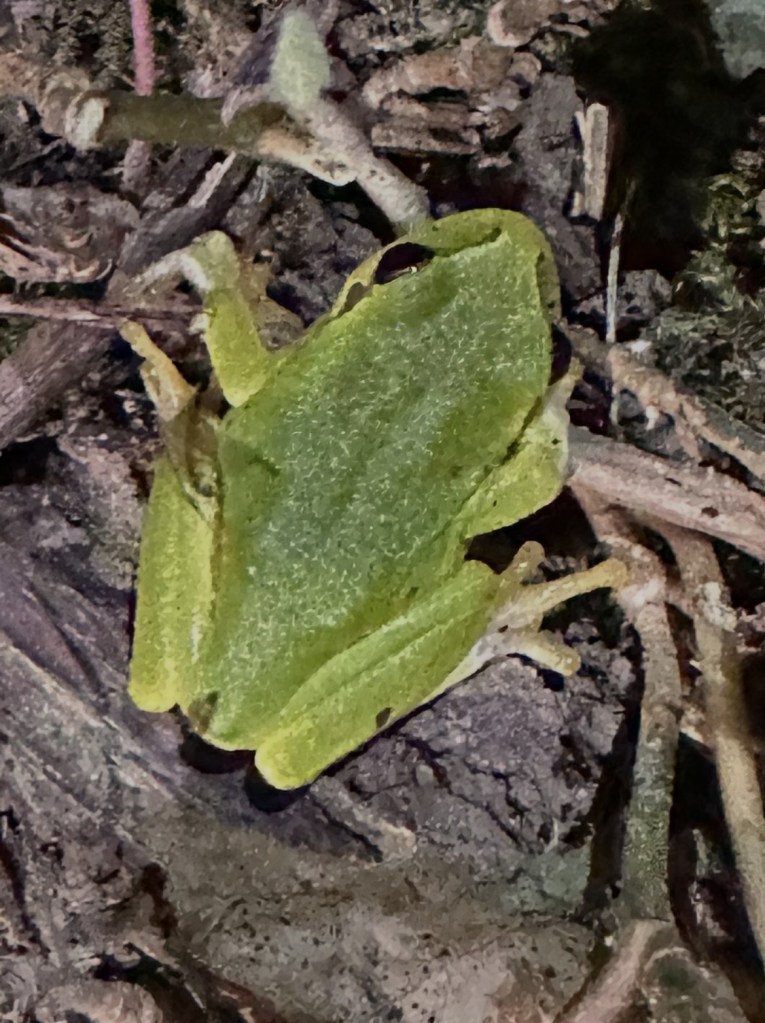
European Tree Frog, Hyla arborea , Krka Valley, Coatia, Jun 2026
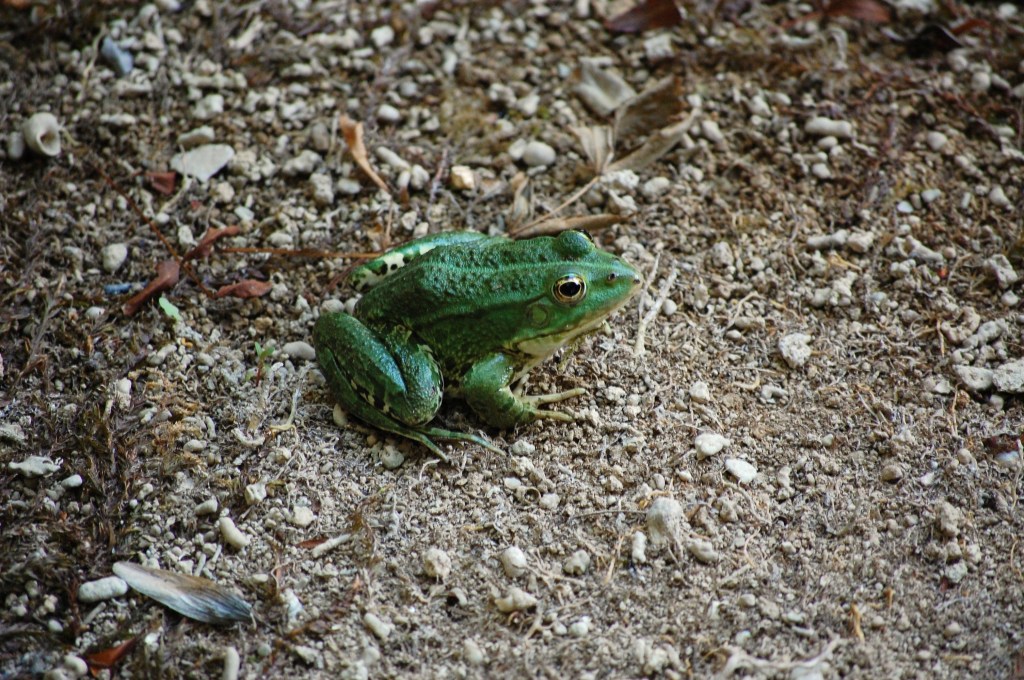
Pool Frog, Pelophylax lessonae , Krka Valley, Coatia, Jun 2026
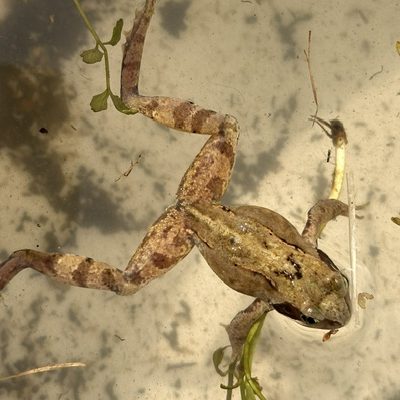
European Common Frog, Rana temporaria, Tice’s Meadow, Jul 2026
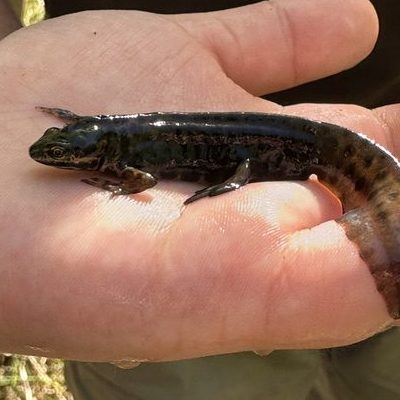
Palmate newt , Lissotriton helveticus , Alice holt, Apr 2026
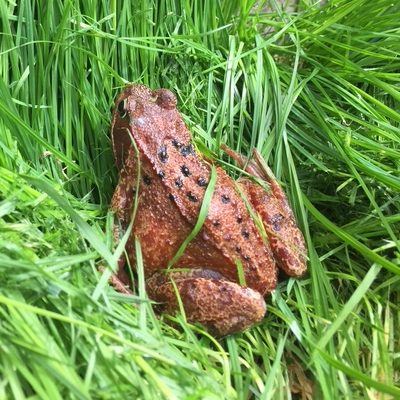
Common toad , Bufo bufo , Church Crookham, 2016
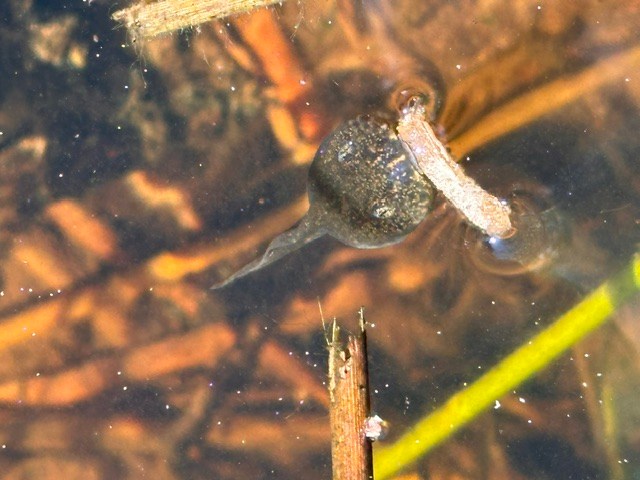
Common toad (Tadpole), Bufo bufo , Alice holt, Apr 2026

