
Date: 24 May 2026
Location: Tice’s Meadow Nature Reserve
Duration: 2 hours
Activity: Native tree and shrub identification
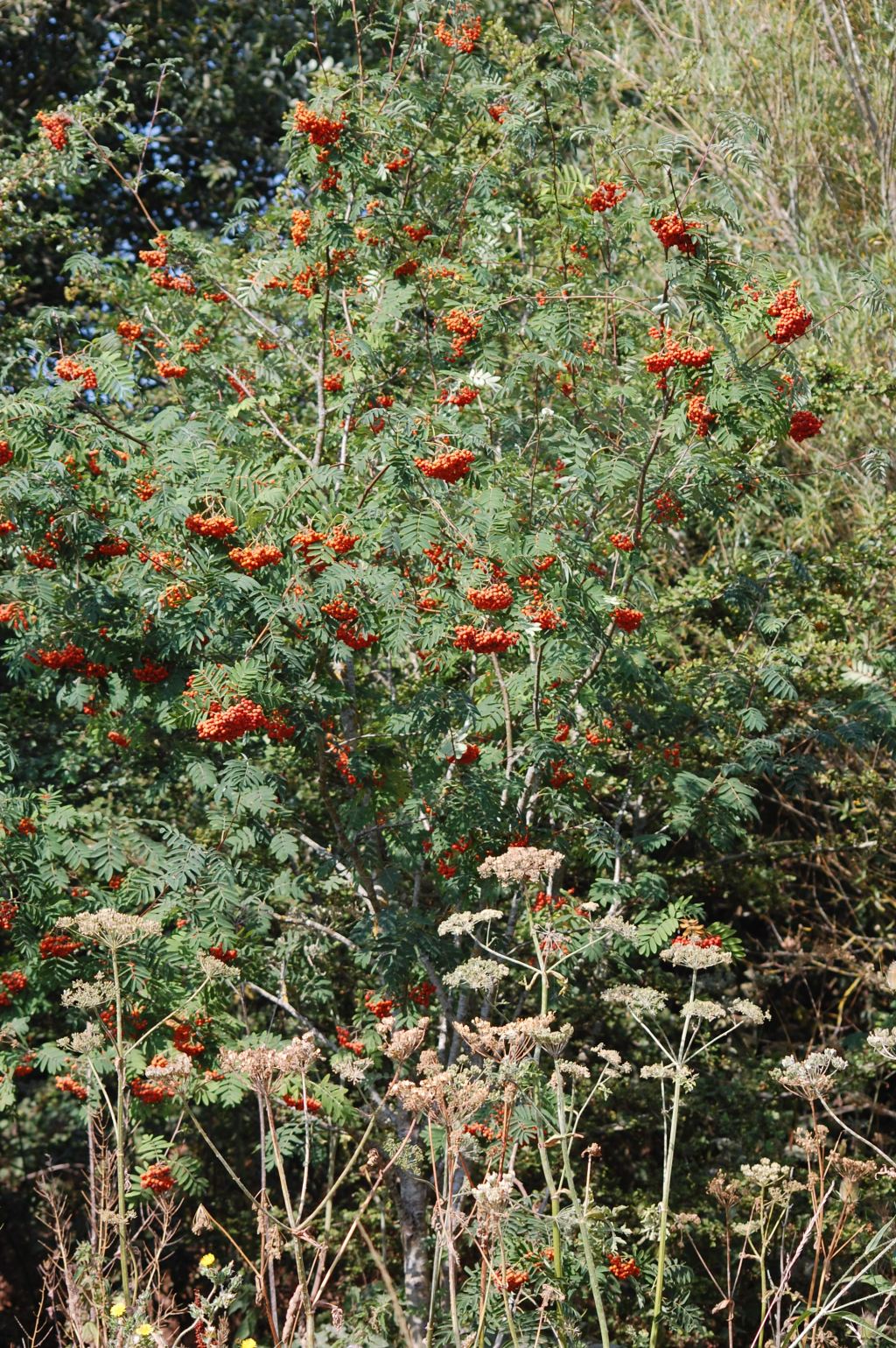
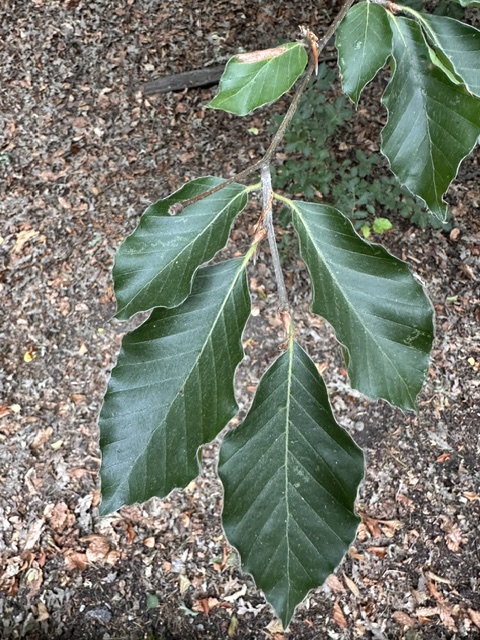
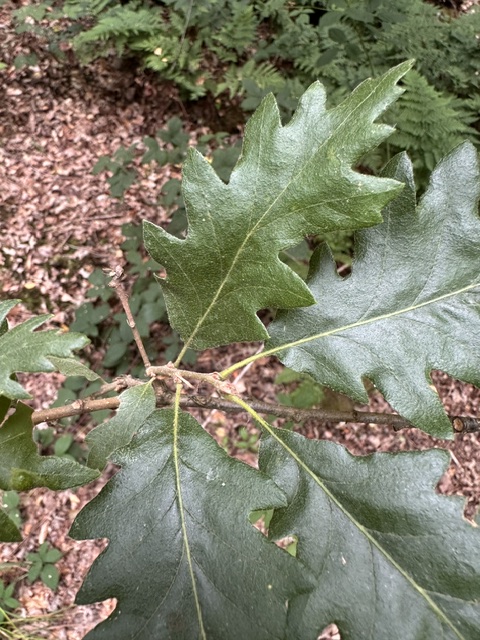
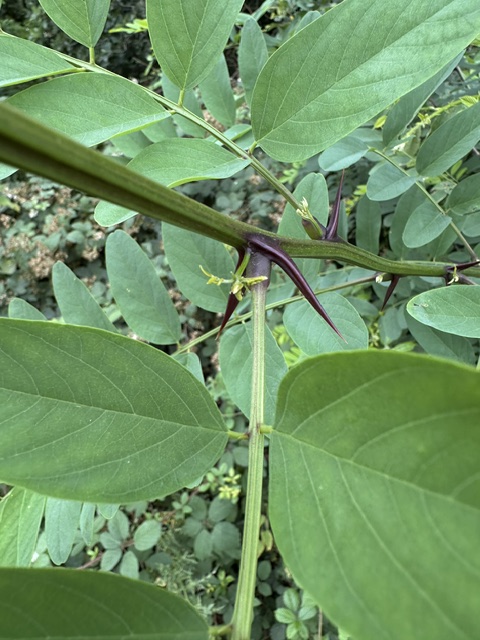
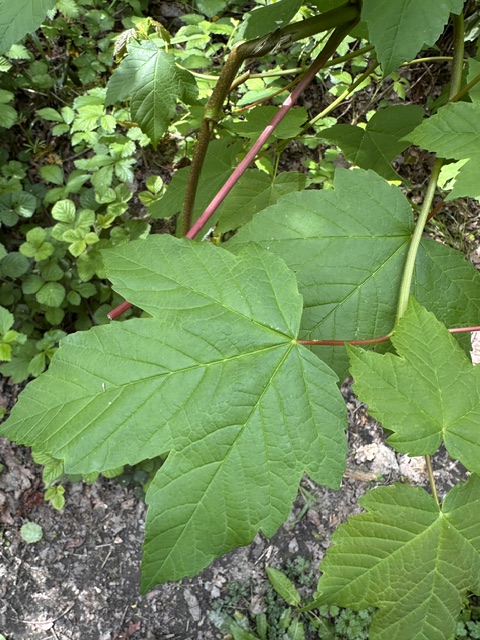
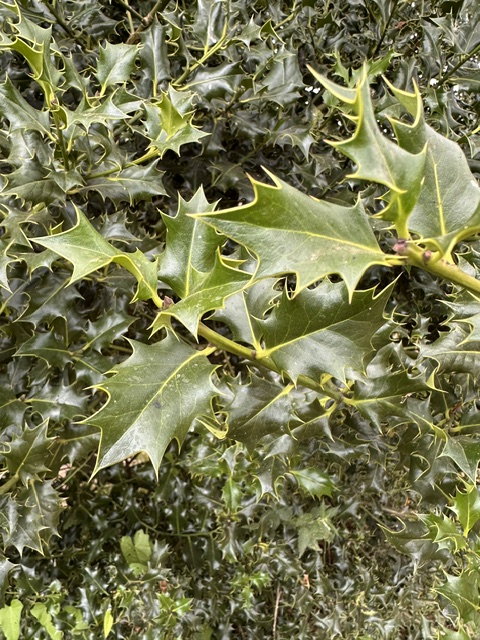
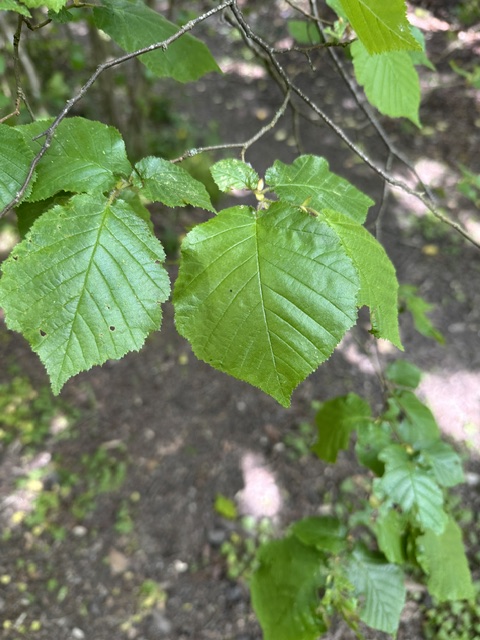
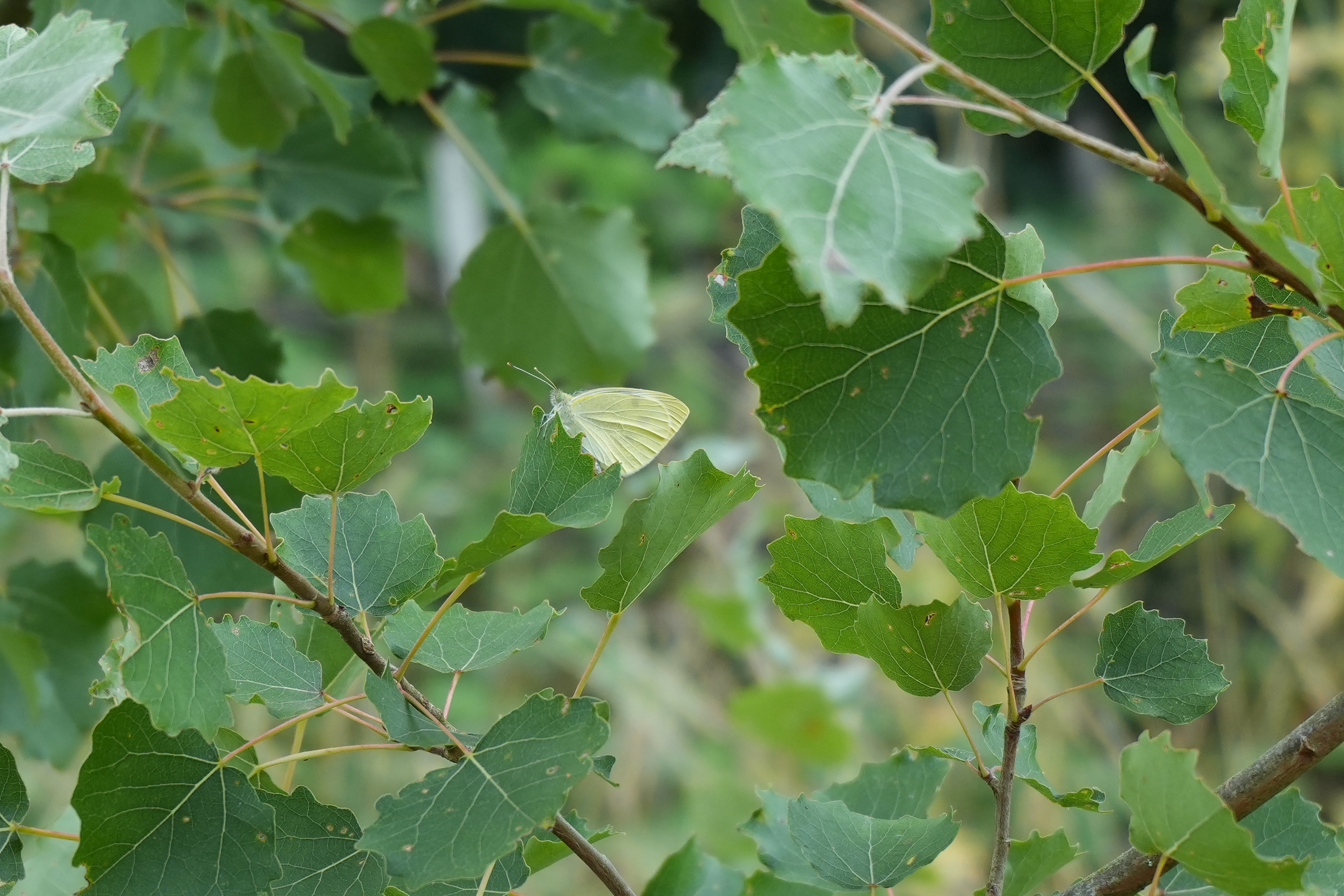
I spent the morning at Tice’s Meadow developing my tree identification skills, focusing on recognising common native species through their leaves, bark, buds, branching patterns and overall form.
Rather than relying solely on leaf shape, I looked at the combination of physical characteristics that help distinguish one species from another. This is particularly useful when identifying deciduous trees during the winter months, when leaves are absent.
Ecological significance
Alder is commonly associated with damp soils and riparian habitats, whilst oak supports a considerable diversity of insects, fungi, birds and other wildlife. Blackthorn provides dense, protective habitat for nesting birds, early-season nectar for pollinators and berries for wildlife during autumn and winter.
Reflections
Developing my tree identification skills is becoming increasingly valuable when carrying out ecological surveys. Being able to recognise native trees and shrubs helps build a better understanding of habitat composition, vegetation structure and the resources available to wildlife.
I would like to continue practising tree identification throughout the seasons, particularly during winter, when identification relies more heavily on bark, buds and branching patterns.

