Field Notes
Dates: 16 January – 26 February 2026
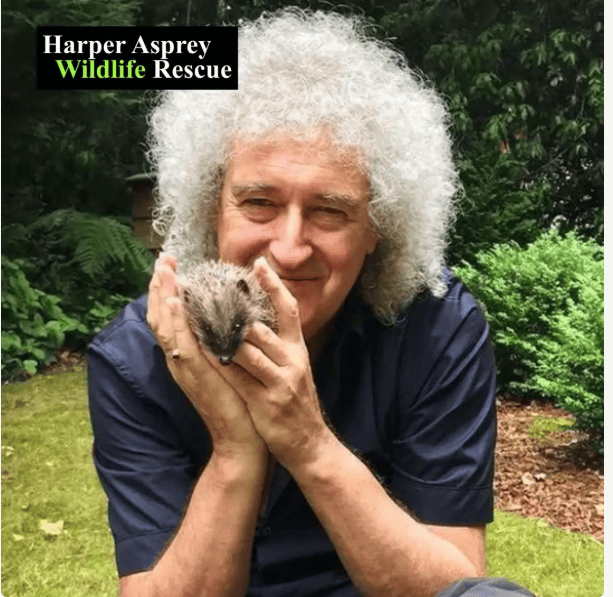
Location: Harper Asprey Wildlife Rescue, Surrey
Organisation: Harper Asprey Wildlife Rescue
Activity: Wildlife Rehabilitation, Animal Husbandry and Biosecurity
Total Volunteering Hours: 44 hours
Activity Overview
Between January and February 2026, I completed six volunteering sessions at Harper Asprey Wildlife Rescue, contributing 44 hours to the daily care of wildlife undergoing rehabilitation.
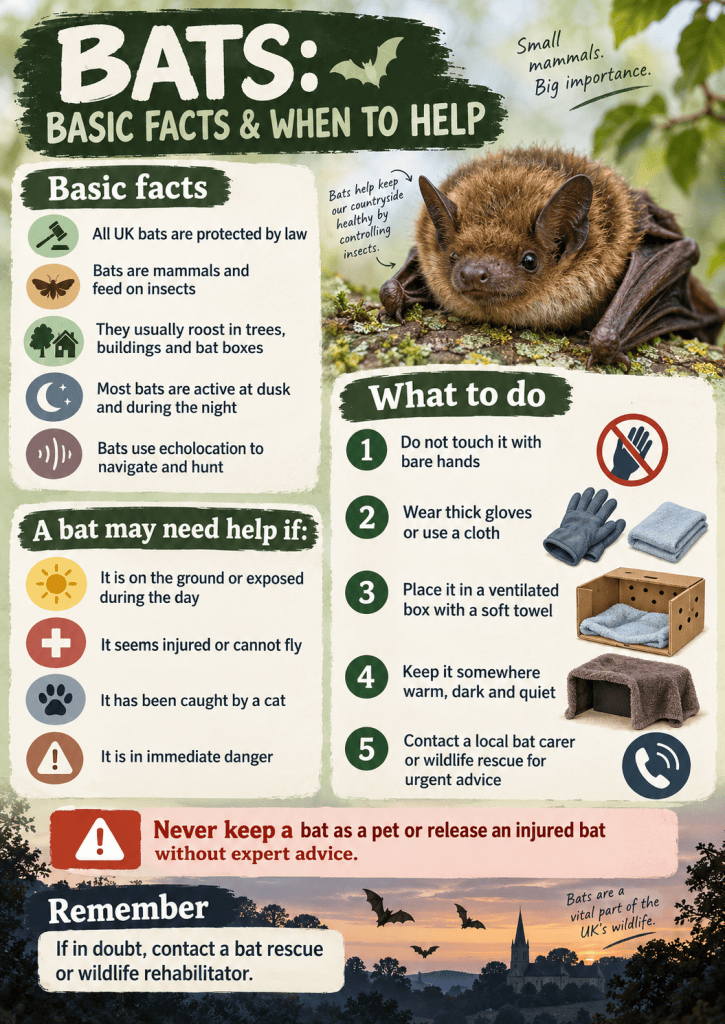
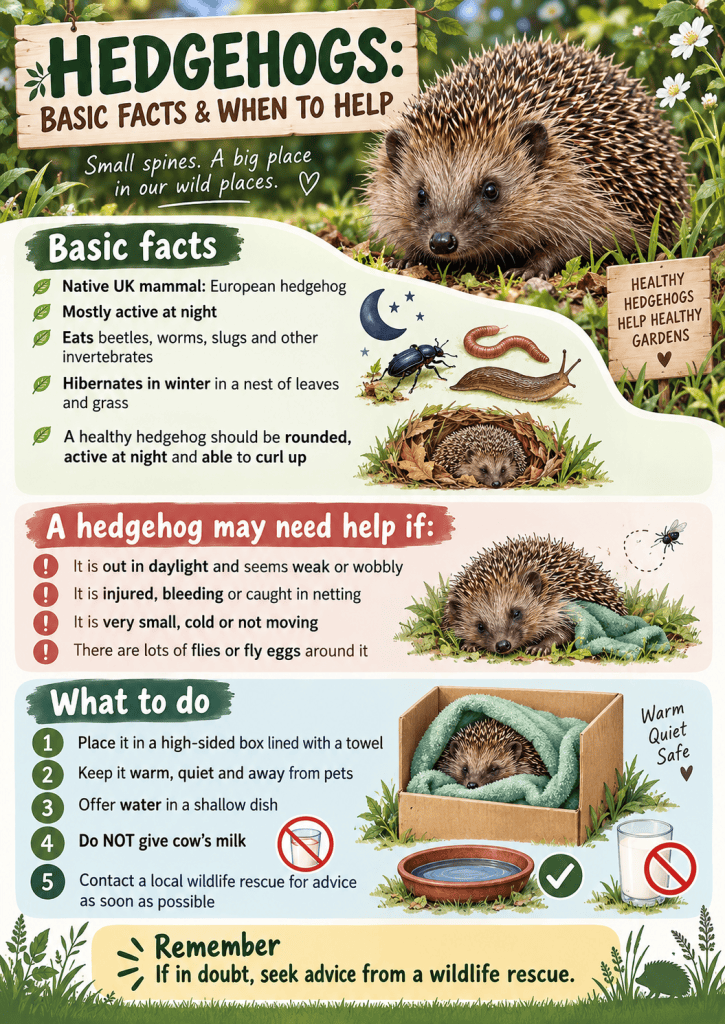
My work primarily involved cleaning animal enclosures, preparing food and supporting the daily husbandry routines required to maintain a safe and hygienic environment. The animals in care included hedgehogs, tortoises and bats, providing an opportunity to learn about the different requirements of species being treated or rehabilitated.
Although many of the tasks were repetitive, the experience highlighted an important aspect of wildlife conservation that is sometimes overlooked: successful rehabilitation relies as much on consistent daily care, hygiene and appropriate husbandry as it does on veterinary treatment.
Over the six sessions, I became more confident in the routines and developed a greater understanding of the responsibilities involved in operating a wildlife rehabilitation centre.
Volunteering Activities
16 January 2026 – Introduction to Wildlife Rehabilitation (4 Hours)
My first volunteering session focused primarily on cleaning hedgehog enclosures and becoming familiar with the daily routines of the wildlife hospital.
While the tasks were relatively straightforward, they introduced me to the importance of maintaining appropriate hygiene standards in an environment where animals may be injured, stressed or vulnerable to infection.
The session demonstrated that routine cleaning is not simply a matter of presentation but an essential component of animal welfare and disease prevention.
29 January 2026 – Species-Specific Husbandry and Biosecurity (8 Hours)
I returned for a full eight-hour day, assisting with the care of hedgehogs, tortoises and bats.
This provided a broader understanding of how husbandry requirements vary between species, particularly regarding enclosure conditions, feeding requirements and the importance of minimising stress.
I also learnt more about biosecurity procedures and the need to prevent pathogens from being transferred between enclosures or animals.
This was my longest volunteering session at the time and provided a valuable insight into the physical commitment and consistency required in wildlife rehabilitation.
5 February 2026 – Developing Practical Confidence (8 Hours)
During another full day at the wildlife hospital, I continued caring for hedgehogs, cleaning enclosures and preparing food.
Having become more familiar with the daily routine, I found myself working more confidently and developing a better understanding of how the different tasks contribute to maintaining animal welfare.
The experience reinforced the importance of consistency, particularly when caring for animals that may require extended periods of rehabilitation.
12 February 2026 – Understanding Rehabilitation Routines (8 Hours)
By my fourth volunteering session, the daily routines had become much more familiar, allowing me to work more efficiently.
I continued supporting husbandry activities while developing my understanding of the practical challenges involved in caring for injured or vulnerable wildlife.
The experience also highlighted the need for patience. Rehabilitation can be a gradual process, and progress depends on providing appropriate care consistently over time.
19 February 2026 – The Importance of Routine Animal Care (8 Hours)
Another day supporting the wildlife hospital involved familiar cleaning and husbandry activities.
Although many of the tasks were repetitive, I began to appreciate their importance in preventing disease, reducing stress and maintaining suitable conditions for recovery.
This session reinforced the understanding that effective wildlife rehabilitation depends on attention to detail and the consistent application of good husbandry practices.
26 February 2026 – Reflecting on Wildlife Rehabilitation Practices (8 Hours)
My final recorded February session provided an opportunity to reflect on the organisation and operation of wildlife rehabilitation centres.
While continuing with routine husbandry tasks, I found myself considering how different organisations might approach animal care, biosecurity, volunteer management and rehabilitation procedures.
This encouraged me to think more critically about the relationship between established procedures, animal welfare outcomes and organisational effectiveness.
It also highlighted the value of developing independent professional judgement while recognising the importance of working within the procedures and expertise of an established wildlife rescue organisation.
Why Are Hygiene and Biosecurity Important in Wildlife Rehabilitation?
Wildlife rehabilitation facilities care for animals that may be injured, malnourished, orphaned or affected by disease. These animals can be particularly vulnerable to additional infections because of their physical condition and the stress associated with captivity.
Biosecurity refers to the measures used to prevent the introduction and spread of infectious agents between animals, people and the wider environment.
Important considerations include:
- Enclosure hygiene: Regular cleaning and appropriate disinfection help minimise the accumulation of pathogens and organic waste.
- Cross-contamination: Using appropriate cleaning equipment and following established procedures reduces the risk of transferring infectious agents between animals or enclosures.
- Species-specific care: Different species require suitable diets, environmental conditions and handling procedures.
- Stress reduction: Minimising unnecessary disturbance and handling is important because prolonged stress can negatively affect animal health and recovery.
- Zoonotic disease prevention: Appropriate personal protective equipment and hygiene practices help reduce the risk of diseases passing between wildlife and humans.
Biosecurity is particularly important in facilities accommodating several species, as different animals may carry pathogens without displaying obvious signs of illness.
Species-Specific Husbandry
Working around hedgehogs, tortoises and bats highlighted the importance of recognising that different species have distinct ecological and physiological requirements.
Hedgehogs (Erinaceus europaeus)
Hedgehogs are native British mammals frequently admitted to wildlife rescue centres because of injury, illness, entanglement or inadequate body condition.
Appropriate rehabilitation may require suitable nutrition, temperature management, veterinary assessment and monitoring of weight and general condition.
As solitary animals, hedgehogs also benefit from appropriately managed accommodation that minimises unnecessary stress.
Tortoises (Testudinidae)
Tortoise husbandry differs substantially from that of native British mammals. As ectothermic reptiles, tortoises depend on external heat sources to regulate body temperature.
Their care requires careful consideration of environmental temperature, humidity, lighting, diet and species-specific physiological requirements.
Bats (Chiroptera)
Bats are particularly sensitive to disturbance and require specialist rehabilitation knowledge.
In the UK, all bat species are legally protected, and rehabilitation must be undertaken by appropriately trained and authorised individuals.
Their care requires specialist feeding, handling, housing and release assessments, with strict attention to human and animal safety.
The presence of these different species demonstrated why rehabilitation procedures cannot be standardised across all animals and must instead reflect their individual biological needs.
Reflections and Learning
One of my most significant learning experiences was recognising the importance of routine husbandry in supporting wildlife rehabilitation.
Much of the work involved cleaning enclosures and preparing food rather than directly observing medical treatment or wildlife releases. However, these essential activities contribute to maintaining the conditions necessary for recovery.
The experience also encouraged me to consider the broader role of wildlife rehabilitation within conservation.
Does rehabilitating individual animals contribute significantly to wider biodiversity conservation, or is its primary benefit animal welfare?
Wildlife rehabilitation can have considerable welfare benefits for individual animals, while its population-level conservation impact varies according to the species involved, the reasons for admission and the success of rehabilitation and release.
For common species, the direct impact on overall population numbers may be relatively small. However, rehabilitation centres can also contribute through public education, wildlife health monitoring and identifying recurring threats such as road traffic collisions, habitat fragmentation and human-wildlife conflict.
The sessions also raised another question:
How can wildlife rehabilitation centres evaluate whether their husbandry and biosecurity procedures are achieving the best possible outcomes?
Potential measures include recovery and release rates, disease incidence, animal welfare assessments and, where feasible, post-release survival.
These considerations helped me appreciate the importance of combining practical experience with evidence-based approaches to animal care and conservation.
Key Learning Outcomes
- Completed 44 hours of practical wildlife rehabilitation volunteering across six sessions.
- Gained experience supporting the husbandry of hedgehogs and working in a facility caring for tortoises and bats.
- Developed a greater understanding of species-specific husbandry requirements.
- Recognised the importance of hygiene, biosecurity and preventing cross-contamination.
- Improved confidence and efficiency in daily animal care routines.
- Developed an appreciation of the physical and organisational demands of wildlife rehabilitation.
- Began critically evaluating how rehabilitation practices contribute to animal welfare and wider conservation objectives.
Final Thoughts
My time volunteering at Harper Asprey Wildlife Rescue provided a different perspective on wildlife conservation from the habitat surveys and practical land management activities I had previously undertaken.
Rather than focusing on populations or habitats, rehabilitation centres work primarily with individual animals, each requiring appropriate care and recovery conditions.
The 44 hours spent supporting daily husbandry demonstrated the importance of consistency, attention to detail and strong biosecurity procedures.
Perhaps the most valuable lesson was recognising that conservation work is not always about exciting field observations or direct encounters with wildlife. Sometimes, the most meaningful contribution comes from the routine, often unseen tasks that support animal welfare and successful rehabilitation.
The experience also encouraged me to think more critically about wildlife rescue practices, the challenges faced by rehabilitation organisations and the distinction between individual animal welfare and population-level conservation.